A few years ago, I heard about a church in the United States that fundraised one million dollars to build a giant white cross in front of their church. They received much criticism from both Christians and non-Christians who said that that money could have been better used to help the poor. Using logic myself, I agreed with them. But then I remembered someone close to Jesus Christ who once also said the same thing.
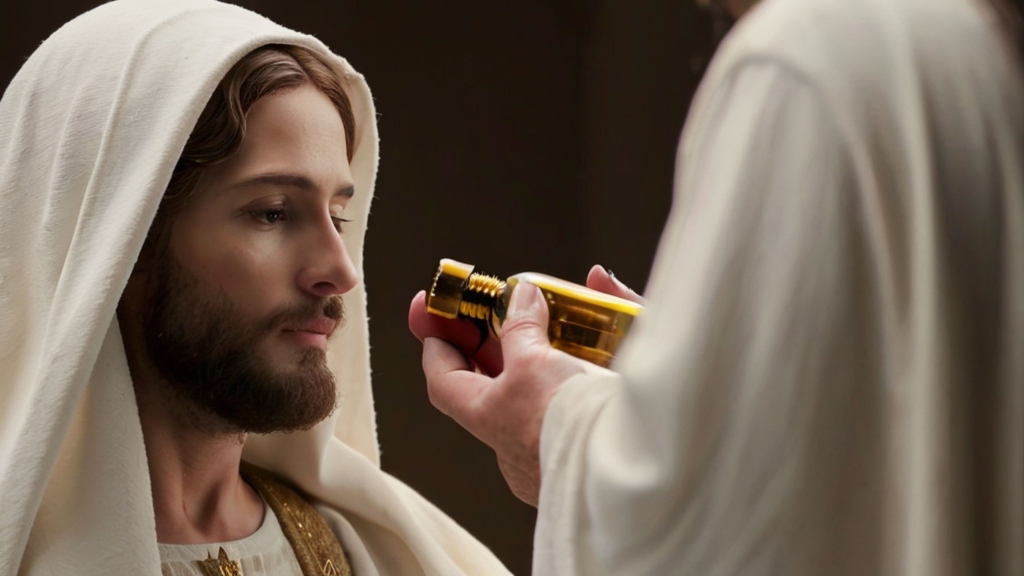
In the New Testament of the Bible, in the Gospel of John, there’s a poignant moment where Judas Iscariot, one of Jesus’ own disciples, criticizes an extravagant act of worship. Mary, the sister of Lazarus, poured costly perfume on Jesus. Judas, who held the money bag for the disciples, objected, saying, “Why wasn’t this perfume sold and the money given to the poor? It was worth a year’s wages.” (John 12:5, NIV)
At first glance, Judas’ words might seem commendable. After all, isn’t it right to use resources to help those in need? However, Jesus rebuked Judas, saying, “Leave her alone. It was intended that she should save this perfume for the day of my burial. You will always have the poor among you, but you will not always have me.” (John 12:7-8, NIV)
Judas’ criticism, though seemingly altruistic, was rooted in selfishness and greed. He was more concerned about the value of the perfume and the potential money it could bring than he was about honoring Jesus. His focus was on earthly matters – specifically his matters – rather than on spiritual significance.
In our modern context, it’s easy to fall into the same trap of thinking that the best use of resources is always to alleviate poverty or address practical needs. While these are undoubtedly important, we must not overlook the importance of worship and honoring God.
The reality is that we will always encounter needs in this world. Poverty, hunger, and suffering are persistent challenges that require our attention and compassion. Furthermore, those of us who are busy adults with money concerns undoubtedly have brilliant ideas of how best to use any extra income we can get. However, we must also recognize the value of acts of worship and devotion to God.
The extravagant act of anointing Jesus with expensive perfume wasn’t just a waste of resources; it was a symbolic gesture of love and adoration. Mary understood the true worth of Jesus and was willing to express it in a tangible way, regardless of the cost.
So the point is not how we think the money or property should be best used. But that the people who do have authority over that money or property use it to glorify God. And that is what matters most.
In our own lives, let us strive to honor God with our resources, whether they be finances, time, or talents. May we seek to prioritize worship and devotion in all that we do, recognizing that ultimately, it is our relationship with God that holds eternal significance.







 Lazarevic Ministries